

Contents
1. Understand the UV Printing Market
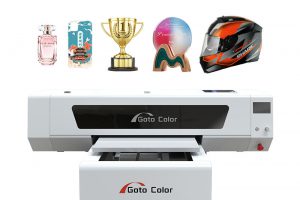
Begin by researching local and online demand for UV-printed products. Popular applications include phone cases, signage, gifts, packaging, acrylic panels, promotional items, and customized home décor. Identify which niches offer high margins and low competition in your area.
2. Choose the Right UV Printer
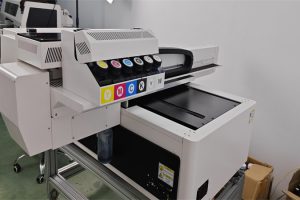
Select a printer model that fits your target market and production scale.
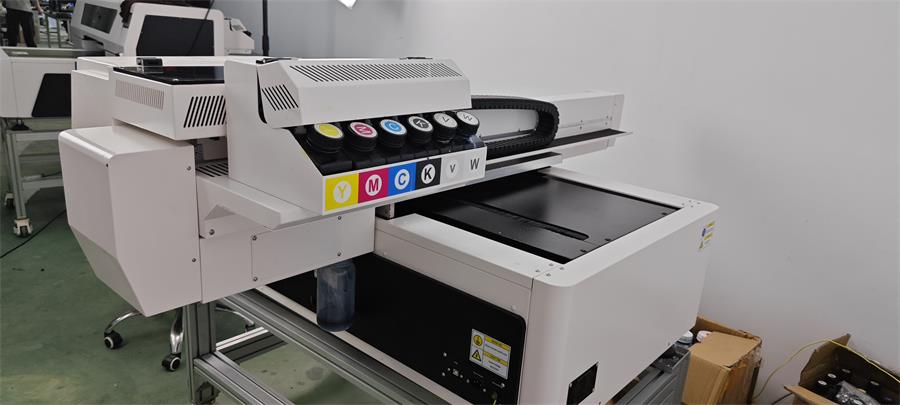
- A3 UV printers suit small customization studios.
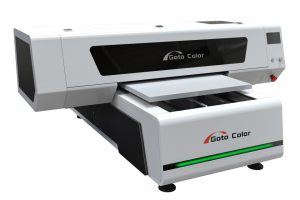
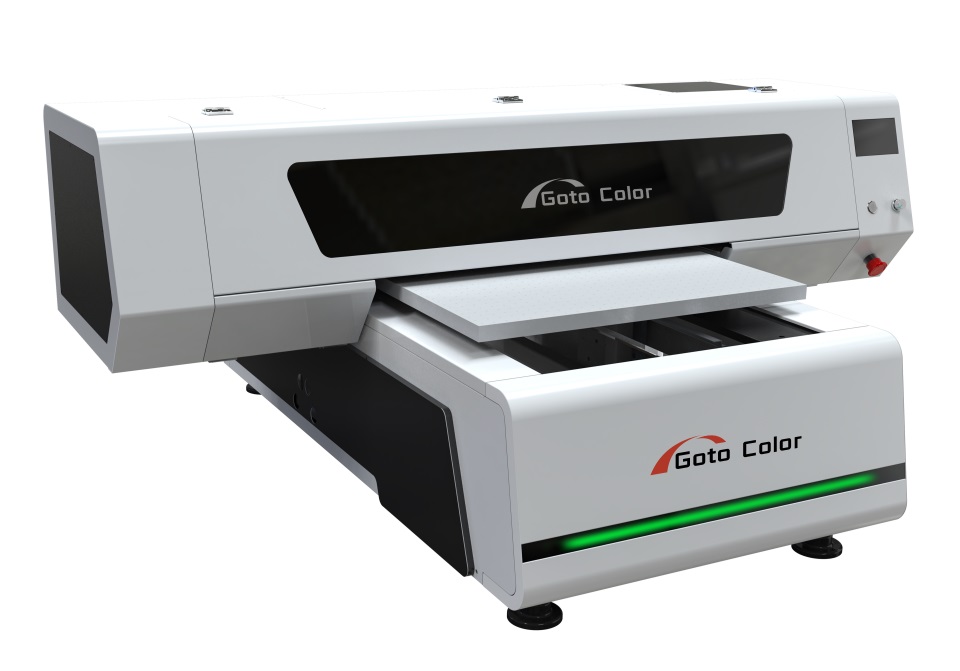
- 6090 UV flatbeds are ideal for medium-sized workshops.
- Large-format or hybrid UV printers fit industrial or OEM production.
Key factors: print size, head type (Ricoh, Epson, Kyocera), ink cost, and after-sales support.
3. Prepare Your Workspace
A clean, dust-free, and ventilated room is essential. Maintain stable temperature and humidity (20–30°C, 40–60%). Provide a dedicated power line, proper grounding, and enough space for materials and finished products. Safety measures should include UV eye protection and ink handling gloves.
4. Learn Software and Operation
Master RIP software (e.g., Photoprint, PrintFactory, or MainTop) to manage color, white, and varnish layers. Practice calibration, head cleaning, and maintenance routines. Skilled operation ensures consistent output and reduces waste.
5. Develop Product Samples
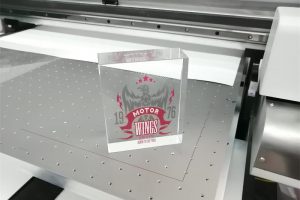
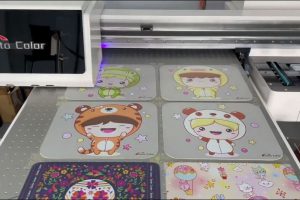
Create a diverse set of samples—wood plaques, glass signage, bottle prints, metal nameplates—to showcase your printing range. High-quality visuals and real samples help attract clients and resellers.
6. Market Your Services
Build an online presence through a website, Google Ads, and social media platforms. Participate in trade fairs or local business expos. Offer customized printing for small batches or personal items to attract retail customers before expanding to B2B orders.
7. Calculate Costs and ROI
Estimate initial investment (printer, inks, software, materials, rent) and running costs (electricity, ink, maintenance). Profit margins for UV-printed products typically range from 50% to 300%, depending on design and volume. Plan to reach payback within 6–12 months with steady sales.
8. Maintain and Upgrade
Regularly clean the printhead, wiper, and capping system. Use genuine UV inks and perform weekly test prints. As your business grows, consider adding a rotary device or larger printer to expand your product range.
Starting a business with a UV printer combines creativity and technology. With proper equipment, training, and marketing, even a small setup can generate a strong return through personalized, on-demand printing services.
If you have any ideas, please feel free to contact us and we will provide you with sufficient help.